The carrier notice is the date that matters.
AT&T's April 2026 update describes a phased transition away from copper service across most of its wireline footprint, with a broad target of the end of 2029. That isn't a single shutdown date for every Fresno or Clovis building. Check the service address, product, and effective date on your own notice.
The CPUC publishes information about AT&T's California service-discontinuance applications and affected areas. If a letter arrives, share it with the person responsible for the building's alarm systems. Don't leave an alarm communication change until the week the phone service is due to end.
Your service address, carrier product, and notice date determine what needs action.
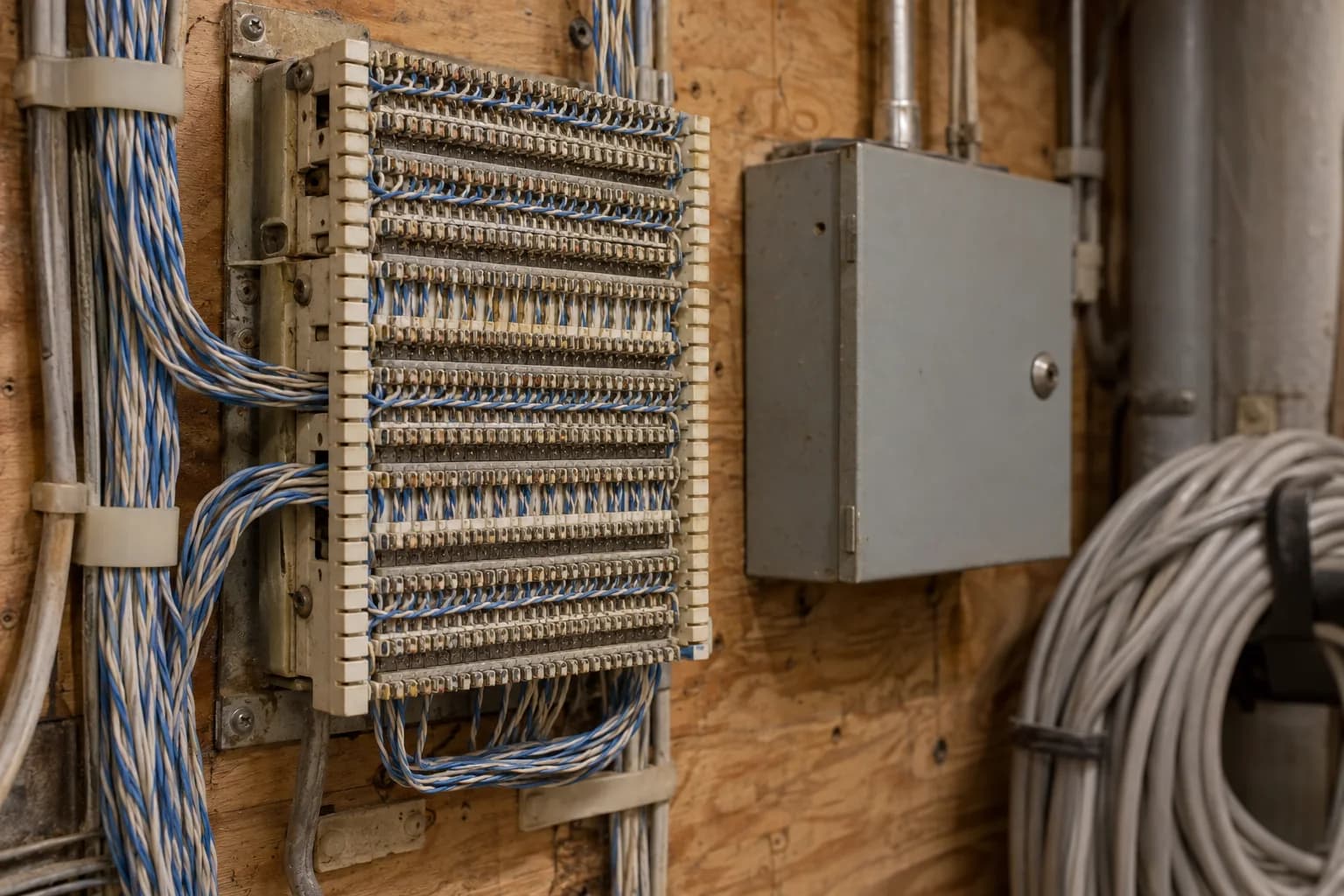
Match each phone line to the equipment it serves.
An unexplained line on a bill is a reason to investigate. It may serve an alarm dialer or other equipment, or it may be unused. Ask the carrier for the service identification and ask the equipment provider to match it to the installed device. Keep a record of what each line serves and who confirmed it.
The alarm's local functions and offsite reporting aren't the same thing. A keypad can still respond while a telephone signaling path has failed. Ask the monitoring provider to confirm the active paths, recent received signals, and how a communication fault is reported.
- Phone number or service identification
- Panel or other equipment using the service
- Current communicator and any alternate path
- Monitoring account and recent received signal
- Provider responsible for changing and testing the connection
Fire alarm phone lines need a fire alarm plan.
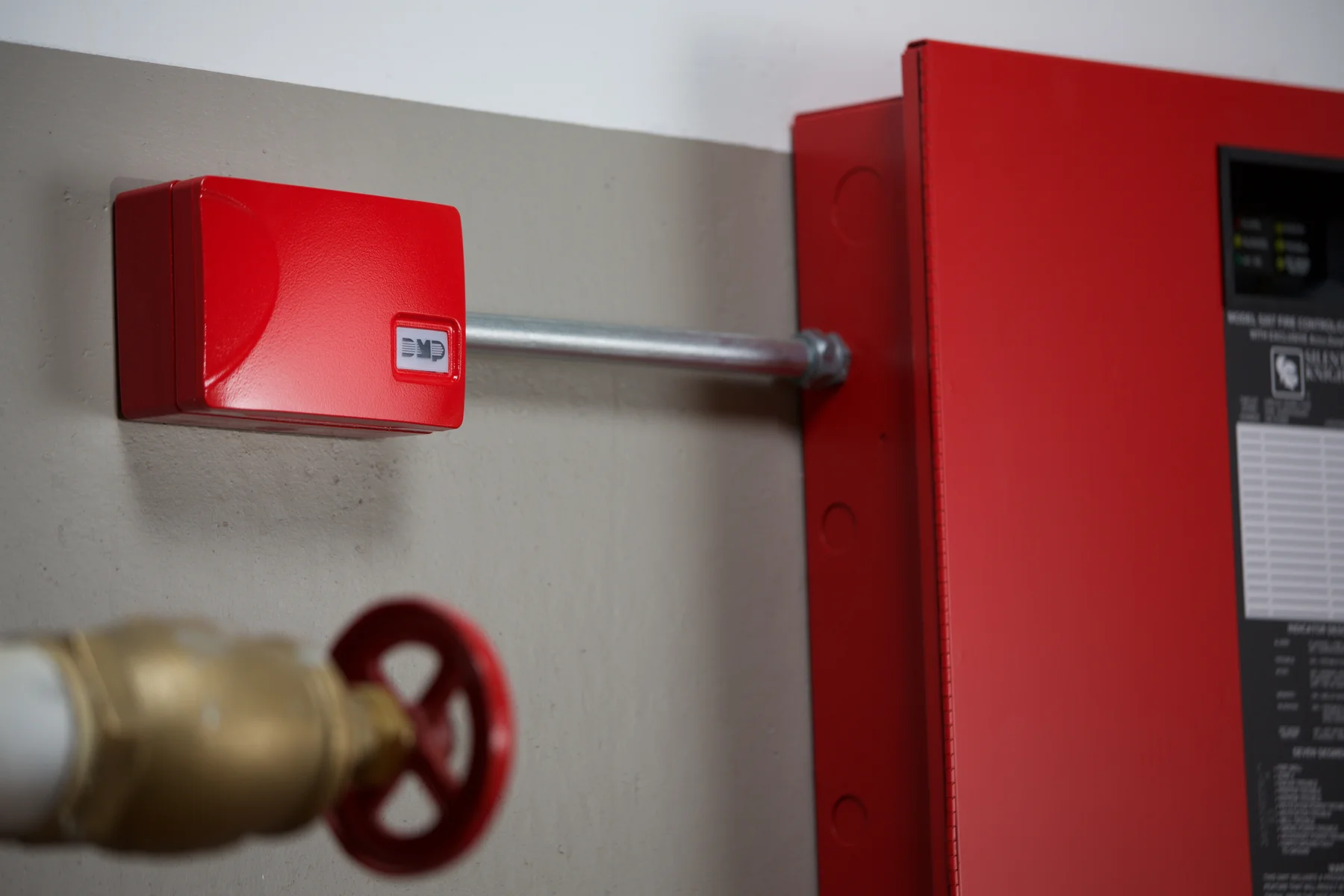
Commercial fire panels can still use copper telephone lines to report to a supervising station. Before changing that service, identify the exact panel and communicator and review the proposed replacement with the fire alarm provider. A voice product that works for ordinary calls isn't automatically suitable for the alarm's dialer.
Bezemer provides fire alarm monitoring as well as fire alarm testing and inspection. We'll review compatible equipment, station support, power and network dependencies, any required approvals, and the tests needed for the change. Local horns and strobes don't prove the station received an event.
Keep the existing service until the replacement is approved where required, installed, tested, and confirmed working. Our fire work covers alarms, monitoring, testing, and inspection. We don't service sprinkler or suppression systems.
- 1. Fire alarm panelReceives events from the building's devices
- 2. CommunicatorSends the event over the configured signaling path
- 3. Supervising stationReceives the signal on the property's account
- 4. Response procedureHandles the event using its signal type and account instructions
A simplified signal path. Equipment, communication methods, and response procedures depend on the installed system and account.
You may be able to keep the panel.
A compatible cellular or IP communicator may let an existing panel stay in service. The answer depends on the exact model, supported equipment, programming access, monitoring service, and required functions. Ask the provider to identify what stays, what changes, and why.
Have the power and network dependencies explained before choosing the replacement. An IP communicator may rely on a router, modem, switch, and internet connection. Cellular equipment needs supported service and reception at the installation point. Backup power and communication supervision need their own review.
For more detail on fire systems, read the fire alarm monitoring and copper phone line guide. For a commercial intrusion system, our commercial alarm monitoring page explains that service separately.
Copper / analog
Existing dialers may use telephone lines to report to the station.
Check the carrier product, active lines, panel requirements, and any retirement notice.
Cellular
A compatible communicator uses a supported cellular service.
Check equipment listing, station support, reception at the installation point, and backup power.
IP / internet
A compatible communicator sends signals over the site's network.
Check network access, internet availability, router/modem power, and communication supervision.
Replace, test, then retire the old connection.
Assign one person to coordinate the carrier, alarm contractor, and monitoring provider. Agree on the equipment work, any permit or authority steps, the station test window, and who can authorize cancellation. Keep the old service through the agreed transition.
The tests should confirm that the intended events reach the right account and that the panel and account status are understood afterward. Keep the results and new equipment information with the building's service records. If something doesn't work, resolve it before removing the existing path.
- Confirm the affected address, phone product, and carrier date.
- Have the equipment and replacement method reviewed.
- Install and configure the compatible communication equipment.
- Coordinate and document monitoring tests and restoration.
- Cancel the old service only after the replacement is confirmed operational.
Send us the notice and the panel model.
A carrier letter, recent bill, panel model, and current monitoring information give us a useful starting point. Tell us whether the system reports a fault now and which provider currently services it. We'll discuss the work and coordination needed for the actual equipment.
Bezemer Industries serves commercial facilities in Fresno, Clovis, and the Central Valley. Call 559-314-7050 or contact our team about the alarm connection before the carrier changes the service.