01
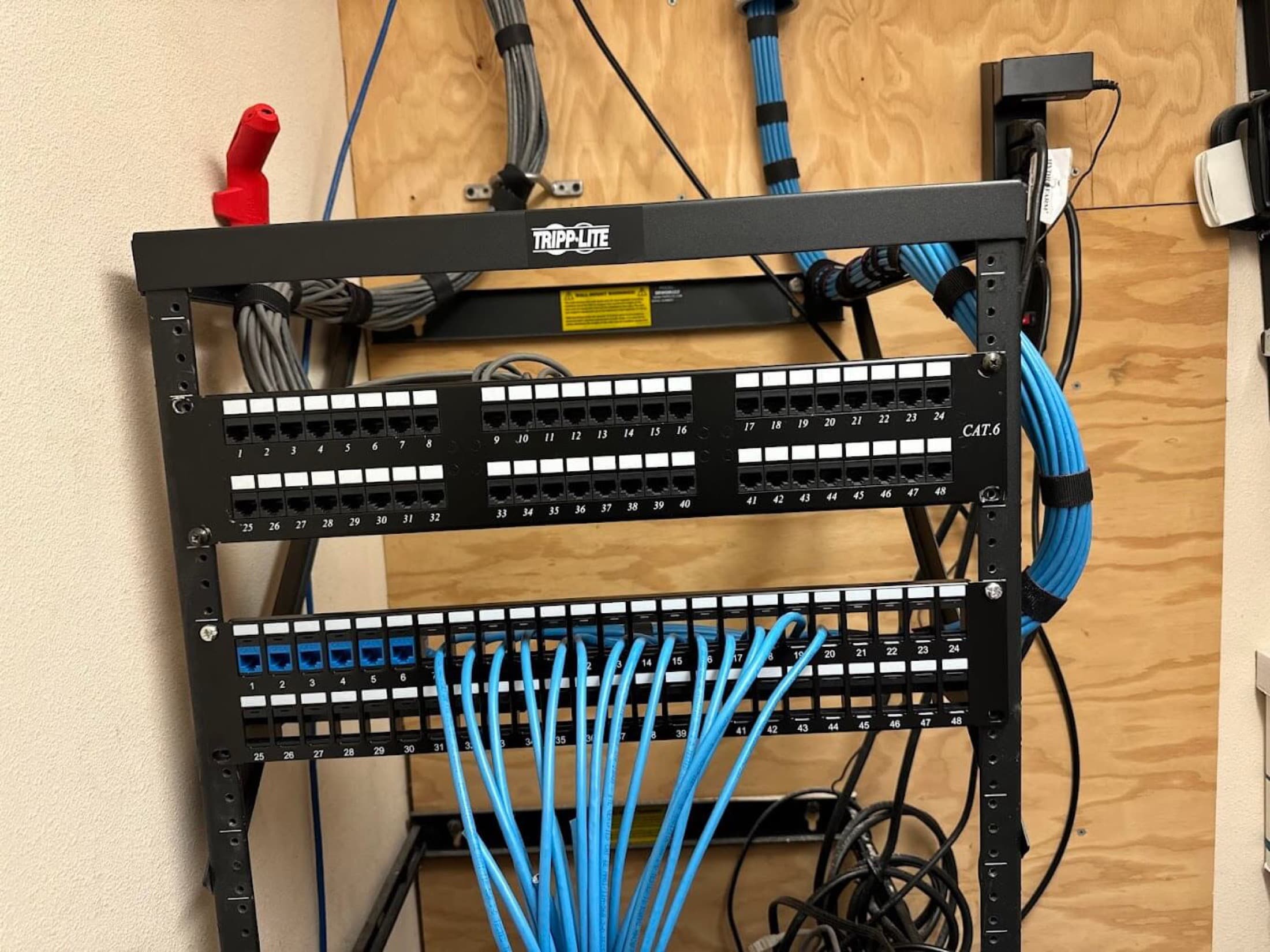
Structured Cabling
Cat6/Cat6A drops, racks, labeling, testing, and certification for your facility.
Open the Structured Cabling page
Hiring a low voltage contractor for a Fresno or Clovis commercial project? We're a licensed C-7 contractor based in Clovis. Bring us your drawings or existing-site priorities so we can define the cabling, fiber, cameras, access control and alarm scope, coordinate with the other trades and discuss testing and handoff before work starts.
C-7 Low Voltage Systems
License #1109846
Everything that isn't standard electrical
Low voltage work in California requires a C-7 Low Voltage Systems license, and ours is #1109846. We also hold a C-61/D28 classification and Alarm Company Operator license #8216, so the same crew that pulls your cabling can install and connect your alarm system without handing pieces of the job to a second company. We're registered with SAM.gov, Cal eProcure, and the DIR, which means public agencies and prime contractors can bring us onto government and prevailing-wage projects.
Registered with
Pick the scope you're bidding and go straight to that page.
Cat6/Cat6A drops, racks, labeling, testing, and certification for your facility.
Open the Structured Cabling pageBuilding-to-building links, backbones, and high-output facilities around Clovis and Fresno.
Open the Fiber Optic Cabling pageCommercial camera systems for Fresno businesses, with trusted brands and UL-listed monitoring.
Open the Security Camera Installation pageDoors, gates, credentials, and intercom assessment, from site walkthrough to handoff.
Open the Access Control pageBurglar alarms and intrusion detection, from new installations to upgrades and monitoring coordination.
Open the Commercial Security Systems pageCoverage that reaches the warehouse, the yard, and every camera riding on it.
Open the Network Design & Wi-Fi page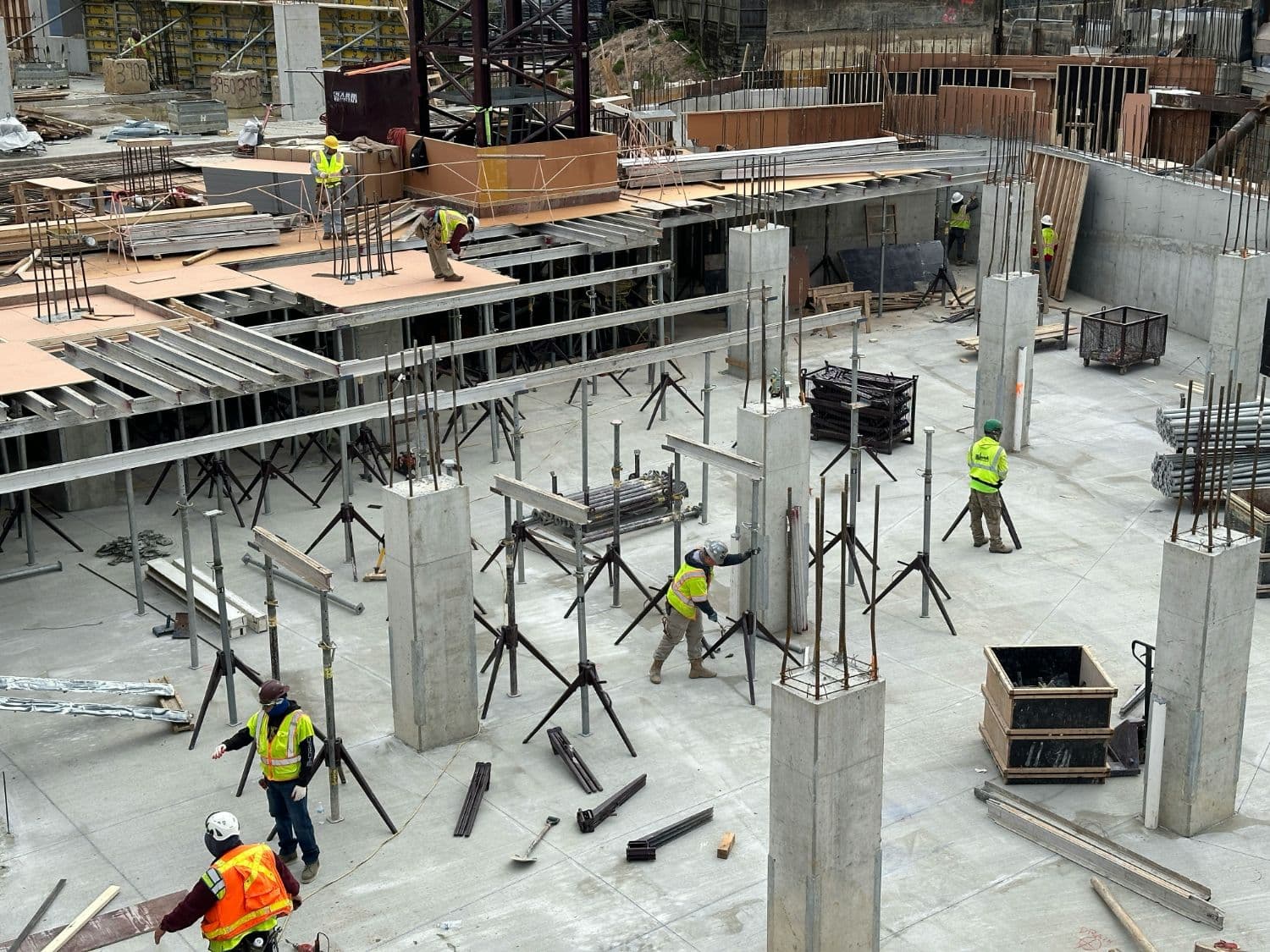
A lot of low voltage work happens before the drywall goes up. We work from plans alongside general contractors on new construction and tenant improvement projects, roughing in cabling, camera, and access control infrastructure at the right stage so nothing gets cut open later. If you're a GC or an owner's rep, we'll bid from your drawings.
Send Us Your DrawingsIf you're a general contractor or architect working from a spec book, our scope covers Division 27 (Communications) and Division 28 (Electronic Safety and Security). That's structured cabling, fiber, and network infrastructure on the 27 side, and video surveillance, access control, and intrusion detection on the 28 side. Send us the relevant spec sections and drawings and we'll return a bid that maps to your divisions, so there's no guesswork about what's covered.
Division 27
Division 28
Share floor plans, relevant Division 27/28 specifications, device locations and the bid or construction schedule. If you're improving an existing site, start with the systems and problems you've identified.
Identify who's handling pathways, line-voltage power, door hardware, network equipment and site access. We'll discuss how the low-voltage scope connects to those responsibilities before the proposal is settled.
Tell us which systems need to stay in service, what equipment you're keeping and when interruptions are possible. That helps define installation phases and coordination with your facility or IT team.
Agree on the testing, labeling, documentation and administrator handoff your scope needs. Define those deliverables before comparing bids so you can assess what's included in each proposal.
Coordination matters at the design stage. Our published Clovis dental office case study explains how a door-hardware mismatch was identified before installation on a completed commercial project.
Planning work at an occupied Fresno property? Review our Fresno facility services and site coordination for local coverage, system priorities and assessment questions.
Send the facility location, project stage, available drawings and relevant Division 27/28 specifications, system priorities and schedule. Include the equipment you're keeping and responsibilities for pathways, power, door hardware and IT. If drawings aren't available, we'll discuss an existing-site assessment before settling the scope.
Low voltage covers the systems that run on lower-power wiring than standard electrical: data and phone cabling, security cameras, access control, alarm systems, fiber, and audio. In California it's its own license classification (C-7), separate from a general electrician's C-10.
Yes. We hold C-7 license #1109846, a C-61/D28 classification, and Alarm Company Operator license #8216.
Yes, and that's the point of hiring one low voltage contractor instead of two or three vendors. We install the cabling, the cameras, the access control, and the alarm, and everything's designed to work together from the start.
We're based in Clovis and serve Fresno, Clovis, and the Central Valley. For the right commercial projects, we take on work across California.
All the time. We bid from plans, coordinate rough-in with your schedule, and handle the low voltage scope from infrastructure through final connections and testing.
Yes. Division 27 covers communications work like structured cabling, fiber, and networking. Division 28 covers electronic safety and security like cameras, access control, and alarms. We bid and build both, and we're used to working from spec books.
Commercial site assessment
Tell us where your commercial facility is and what needs to be planned, repaired or upgraded. We'll review the request and discuss the scope with you.
We'll review your facility location, service need, and timing, then contact you to discuss the scope and arrange the appropriate next step. Sending this request doesn't book an appointment.
Bring any available plans, system responsibilities and timing requirements to the scope discussion. We'll confirm access arrangements and what needs checking before a site visit.
Facility Assessment Request
Share the basics of the site, the system involved, and what needs to be fixed, planned, upgraded, or installed. Bezemer will follow up with the next practical step.