
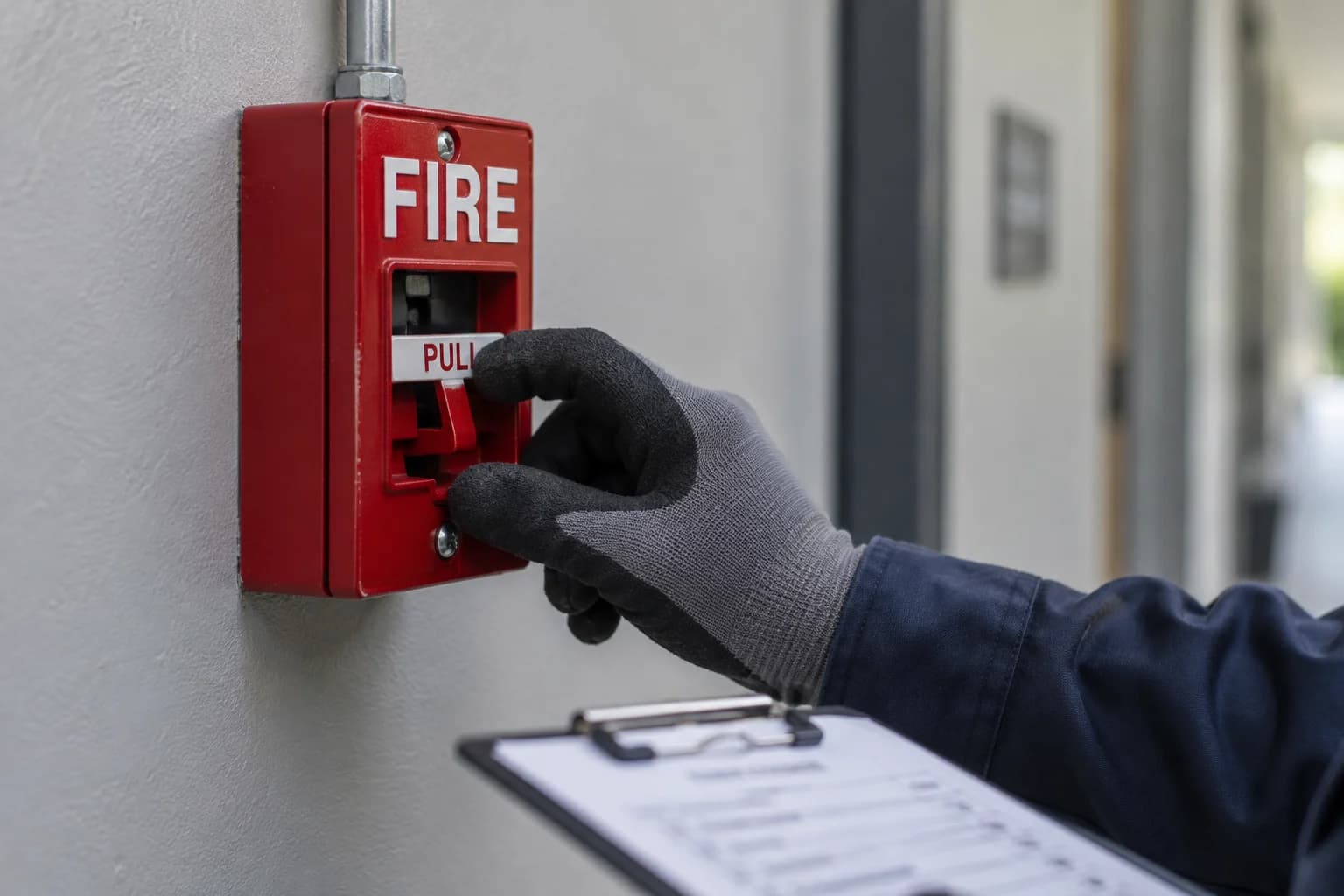
Inspection, testing, and maintenance do different jobs.
An inspection looks at the condition of the system and its equipment. Testing checks whether equipment performs the function being tested. Maintenance addresses the service the equipment needs. They're related, but a visual check doesn't establish the same result as a functional test.
That distinction matters when you compare proposals. A visit described only as an inspection may leave you unsure whether the technician will activate devices, check notification equipment, test standby power, coordinate monitoring signals, or perform additional detector checks. Ask which activities and devices are included, and which work needs a separate authorization.
NFPA 72 is the fire alarm and signaling code reference your provider and fire authority use alongside adopted requirements and manufacturer instructions. Use the building's actual equipment list when discussing the work. A generic checklist won't tell you whether a specific interface, remote power supply, or hard-to-reach detector was included.
| Activity | The question it answers | Example |
|---|---|---|
| Inspection | What condition is it in? | Visible damage, blocked access, displayed trouble |
| Testing | Does the intended function operate? | An initiating device produces the expected panel response |
| Maintenance | What service does it need? | Manufacturer-directed cleaning, adjustment, or replacement |
Follow the equipment, from the ceiling to the station.
Commercial systems vary. An office with a small panel, a warehouse with high ceilings, and a multi-building facility won't have identical test lists. Start with the installed equipment and the last report. Any added, removed, renamed, or inaccessible device needs to be accounted for.
The panel is one part of the chain. Initiating devices report events, notification equipment alerts occupants, power supplies keep equipment operating, and the communicator reports offsite. Connected functions such as door release or HVAC shutdown may also require coordination with another responsible contractor.
Ask how results will be tied to individual equipment. On an addressable system, a point label can help locate a device, but a label that's out of date still needs correction. A useful report connects the device identification with its physical location and test result.
- Control panel and annunciators: indications, event identification, and the response to the planned tests.
- Smoke, heat, and manual devices: the method appropriate to each installed type and manufacturer.
- Horns, strobes, or voice equipment: the notification functions included in the test plan.
- Primary power and batteries: equipment condition and the applicable standby-power checks.
- Communication equipment: the intended signals received at the supervising station.
- Building interfaces: the functions included in the test, with responsible trades present when needed.
How often does each task need to happen?
The answer starts with the adopted requirements, the installed equipment, and manufacturer instructions. Inspection intervals and functional test intervals aren't necessarily identical. A date for an annual report doesn't tell you when every individual activity is due.
Fresno Fire Department's reporting table lists an annual fire alarm system report. Its current process requires electronic fire protection and life safety test reports through The Compliance Engine, effective April 15, 2026. Confirm which authority handles the property; Fresno city, Clovis, and unincorporated locations aren't interchangeable.
Ask the provider to help identify the next due date for each required service activity. Keep those dates with the report and assign someone to track them. If the building has changed vendors, owners, or tenants, retrieve the previous record before assuming the schedule starts over.
An annual report date doesn't tell you the interval for every individual task.
Get access and occupant notices sorted before test day.
The most avoidable delay is arriving at a device nobody can reach. Tell the contractor about locked tenant suites, roof access, high ceilings, stored materials, restricted production areas, and equipment that needs an escort. Agree on lifts or other access arrangements before the appointment.
Someone also needs to notify the people using the building. Some planned tests can operate horns, strobes, or connected systems. Tell staff what the test window means and keep the building's emergency procedures in effect for an actual emergency. Don't promise a silent visit without checking which tests are planned.
Bring the records you already have. A recent report and a photo of the panel model are more useful than a perfect binder assembled after the visit. If the fire authority has sent a notice, include the whole notice so the contractor can see the property, requested action, and deadline.
- Last inspection/test report and unresolved findings
- Device lists, drawings, panel model, and available equipment records
- Monitoring provider details and the person authorized to coordinate testing
- Tenant notifications, keys, escorts, lift access, and production restrictions
- Any authority notice, reporting deadline, or required follow-up
The monitoring test needs a beginning and an end.
Agree on who contacts the supervising station, which account is being tested, and when the test period ends. A technician activating devices without that coordination can cause an unintended response. Testing must follow the provider's procedure rather than an improvised call from someone who doesn't control the account.
During the agreed test, confirm that the intended events arrive under the correct property and event identification. A local horn sounding doesn't establish what the station received. If communication fails, document the fault and the follow-up rather than assuming it was an unrelated phone issue.
At the end, confirm the account's test status and the panel's condition. If something remains off-normal, the owner needs to know what it is and who is responsible. Our fire alarm monitoring page explains the equipment and account side in more detail.
- 1. Fire alarm panelReceives events from the building's devices
- 2. CommunicatorSends the event over the configured signaling path
- 3. Supervising stationReceives the signal on the property's account
- 4. Response procedureHandles the event using its signal type and account instructions
A simplified signal path. Equipment, communication methods, and response procedures depend on the installed system and account.
A sensitivity check answers another question.
A detector can respond during a functional test without that test measuring its sensitivity. System Sensor's technical bulletin explains the difference between a smoke-entry alarm response and a calibrated sensitivity measurement. Applying an unmeasured amount of aerosol doesn't establish a sensitivity reading.
The bulletin references an older code edition. It's useful for understanding the distinction, while the current adopted requirements and the detector manufacturer's instructions determine the actual method and interval. Ask which test was performed and how the result is documented; don't treat every line saying detector tested as equivalent.
Read the report one device at a time.
Start with the exceptions. For each deficiency, you should be able to identify the device, find it in the building, understand the result, and see the next action. Separate a failed test from a device that wasn't tested because access was blocked. Those findings can require different work.
Ask for repairs and retesting to be explained separately from the original visit. A signed report doesn't close a finding simply because someone has received it. Keep the repair record, retest result, and completion date with the original report so the next provider can follow what happened.
In Fresno, confirm who submits the report electronically and what filing charges are included. Keep a copy and the submission confirmation. Discuss unresolved findings with the contractor and authority as required; a report isn't a blanket statement that every future use of the building is approved.
What affects the cost of a fire alarm test?
Device quantity matters, but access and coordination can change the amount of work just as much. A detector above an active production line takes a different plan than one in an open office corridor. Tenant access, travel between buildings, notification tests, and required trade coordination should be discussed up front.
Ask what the price covers: the assumed equipment inventory, access equipment, report preparation, filing, and any scheduled return visit. Find out how additional devices, repairs, or incomplete access are priced. A cheaper quote that omits those items can be difficult to compare with one that includes them.
For Bezemer's fire alarm testing and inspection service, send the address, panel model, last report, and any notice from the fire authority. We can discuss the equipment and visit requirements before quoting. Our fire work covers alarms, monitoring, testing, and inspection. We don't inspect or service sprinklers or suppression systems.